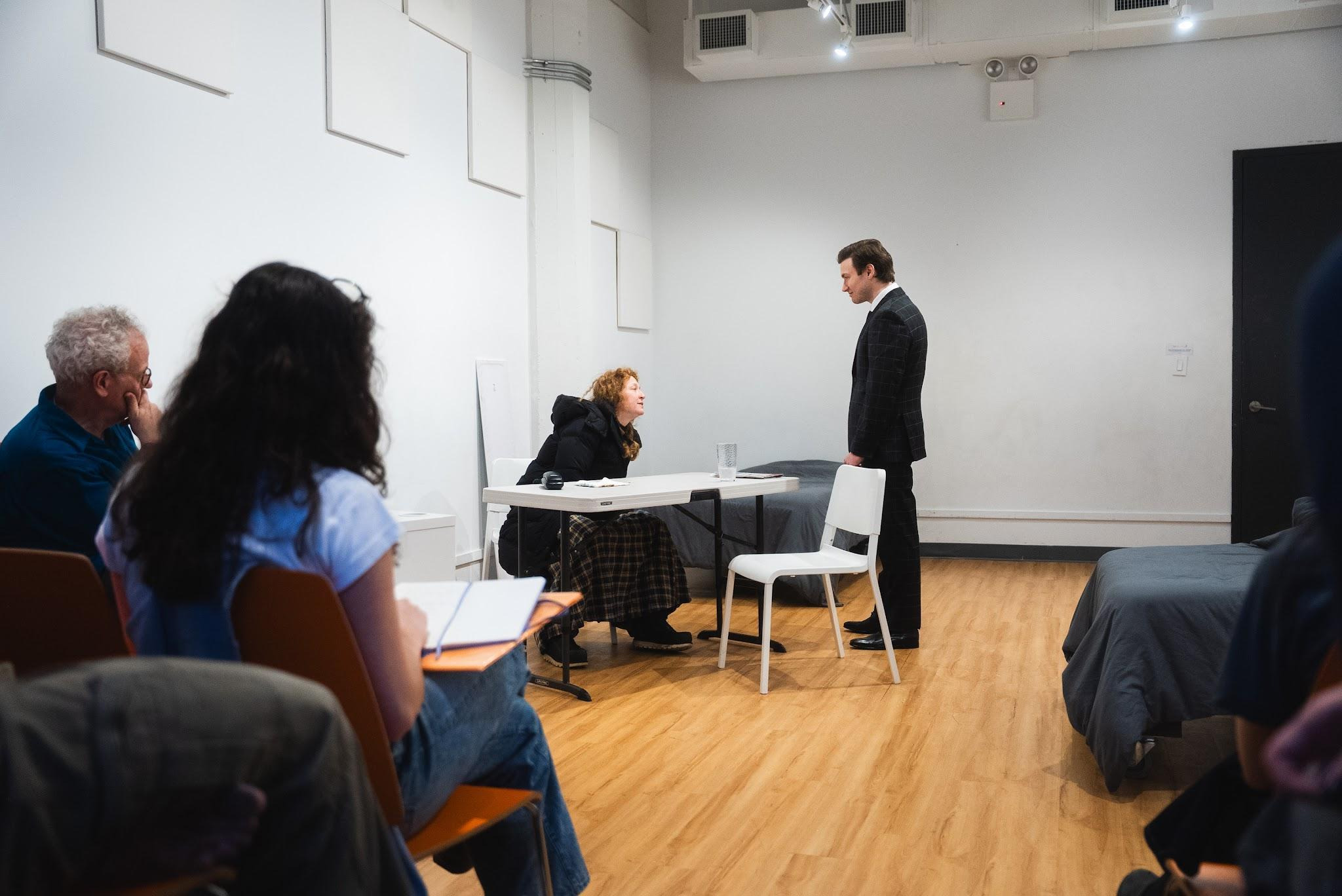

In Summary: How Instinct and Technique Support Spontaneity
Instinct and technique are complementary parts of an actor’s craft. Instinct allows actors to respond spontaneously, while technique provides the preparation, discipline, and awareness needed to make those responses believable. Through acting training, particularly approaches such as the Meisner technique, actors develop listening, emotional availability, and trust in their impulses. The goal is not to control every moment of a performance but to build the skills that make spontaneous, truthful acting possible.
Some of the most compelling moments in acting happen when a performer responds in a way that feels completely unexpected, yet entirely believable. A pause lasts longer than anticipated. A scene partner says something familiar, but this time it lands differently. The actor reacts, and suddenly the scene feels alive.
These moments may appear effortless, but spontaneity and acting training are not opposites. Instinct allows an actor to respond naturally to what’s happening, while technique develops the skills to remain present, emotionally available, and connected to the scene. Understanding how the two work together can transform an actor’s approach to rehearsal and performance.
What Is the Difference Between Instinct and Technique in Acting?
Instinct is an actor’s immediate, unforced response to a situation, while technique is the collection of skills and practices that help the actor respond truthfully and consistently.
An instinctive reaction might be a sudden laugh, a change in breathing, or an unexpected moment of vulnerability. These responses emerge from the actor’s genuine engagement with the circumstances rather than from a predetermined plan.
Acting technique, meanwhile, helps performers understand the scene, connect with their partners, manage their attention, and remain available to what happens.
Consider an actor playing someone who has just discovered that a close friend has betrayed them. Their first instinct might be anger. Yet during rehearsal, they may find themselves responding with disbelief, nervous laughter, or complete silence.
A well-developed technique allows the actor to explore these possibilities without forcing a particular emotional result.
Instinct gives a performance immediacy. Technique helps the actor remain open to that immediacy while fulfilling the demands of the scene.
Can Acting Technique Make a Performance Feel Mechanical?
Yes, technique can make a performance feel mechanical when an actor becomes more concerned with executing a rehearsed plan than responding to the moment. An actor might decide in advance exactly when to cry, raise their voice, or pause for dramatic effect. Those choices can become so fixed that the actor stops noticing what their scene partner is actually doing.
Imagine rehearsing an argument in which one character is supposed to become increasingly frustrated. The actor plans to shout during the final exchange. But during the performance, their partner delivers an unexpectedly vulnerable response. If the actor continues toward the planned outburst without acknowledging that change, the scene may feel disconnected.
The problem isn’t preparation itself. It’s treating preparation as a script for every emotional response. Effective acting techniques create possibilities rather than eliminate them. Actors can understand their characters’ circumstances and objectives while remaining willing to discover how each moment unfolds.
How Does Acting Training Develop Spontaneity?
Acting training develops spontaneity by helping performers become more comfortable responding without knowing exactly what will happen next. This may sound contradictory. How can practicing something make it less rehearsed? The answer lies in what the actor practices.
Instead of memorizing a particular emotional reaction, students develop skills such as observation, concentration, listening, and responsiveness. Through repeated acting exercises, they learn to notice impulses and respond without immediately judging or suppressing them.
For example, an actor may practice a scene several times while focusing on a different aspect of their partner’s behavior. The dialogue remains unchanged, but the interaction develops differently because the actor is paying attention to what is happening now.
Over time, this work can help actors:
- Recognize spontaneous impulses without immediately censoring them.
- Stay engaged when a scene develops unexpectedly.
- Respond to their partners rather than anticipate their next lines.
- Maintain concentration while experiencing strong emotions.
- Trust their preparation without trying to control every outcome.
The aim is not to make actors unpredictable for its own sake. It’s to help them remain responsive within the specific circumstances of the scene.
Why Is Listening Essential to Instinctive Acting?
Listening is essential because an actor cannot respond truthfully to something they haven’t genuinely received. In everyday conversation, people rarely know exactly how they’ll react before someone finishes speaking. Their responses are influenced by tone, expression, timing, and the meaning they attach to what they hear.
Acting requires a similar quality of attention. Consider a scene in which one character asks, “Are you leaving?” The words might express anger, fear, relief, or an attempt to hide disappointment. The response depends partly on how the question is asked and what the actor perceives from their partner.
An actor who is preoccupied with delivering the next line may miss these distinctions. By contrast, an actor who listens closely can allow their response to emerge from the interaction. This is one reason listening occupies such an important place in discussions about what makes acting good. A convincing performance involves more than expressive dialogue. It requires genuine attention to the other person.
How Does the Meisner Technique Help Actors Trust Their Instincts?
The Meisner technique helps actors develop spontaneity through exercises that emphasize attention, truthful responses, and moment-to-moment interaction. Developed by Sanford Meisner, the approach encourages actors to shift their attention away from monitoring themselves and toward what is happening with their scene partners.
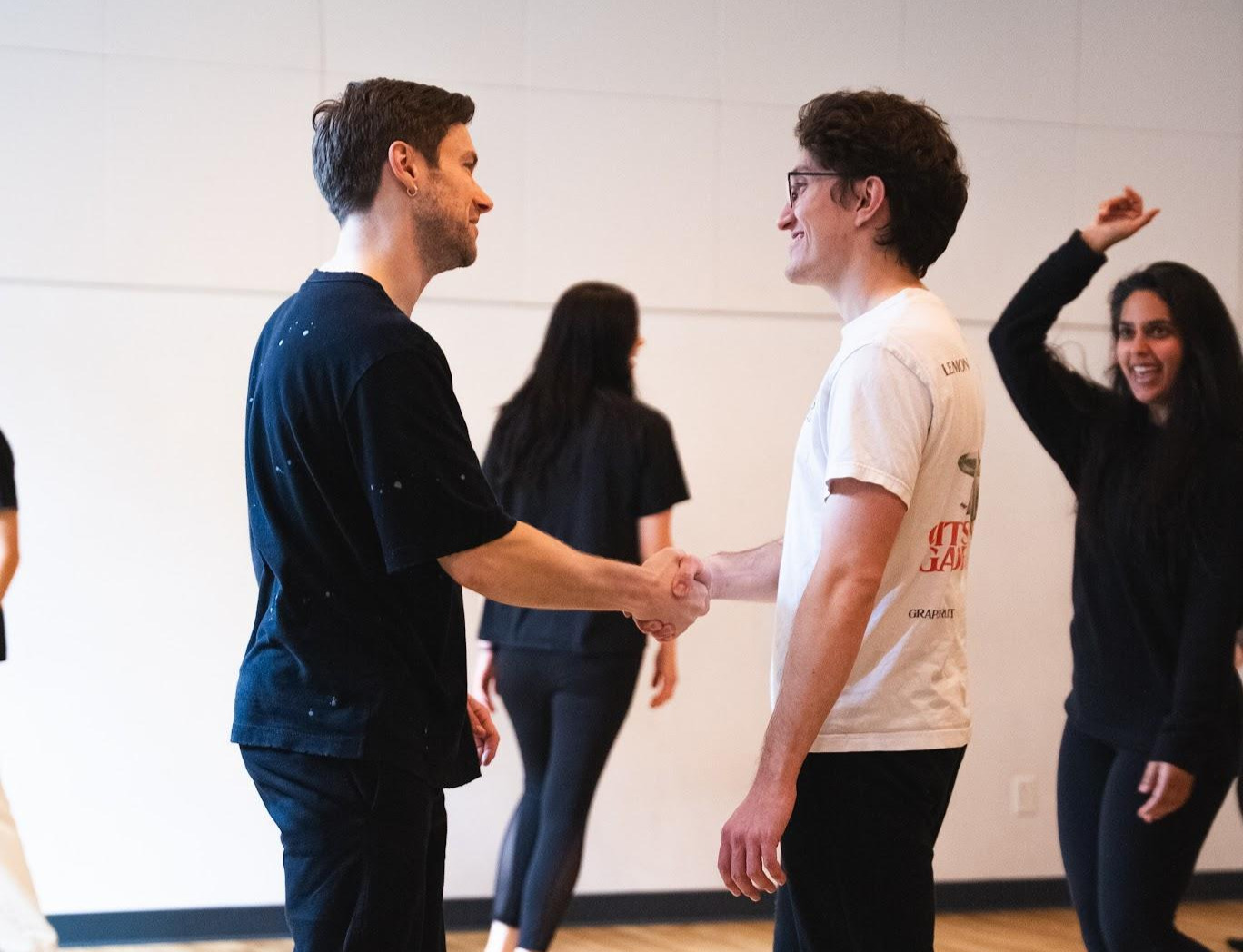
One of its foundational practices is repetition. In a basic repetition exercise, two actors observe one another and repeat a simple statement based on something they notice. As the exchange continues, changes in tone, behavior, and emotional response influence how the interaction develops.
For example:
Actor A: “You’re smiling.”
Actor B: “I’m smiling.”
Actor A: “You’re smiling.”
Actor B: “I’m smiling.”
Although the words remain simple, the meaning may change as the actors respond to one another. What begins as a neutral observation might become playful, uncomfortable, challenging, or affectionate.
The purpose isn’t to manufacture those changes. It’s to notice what genuinely develops between the performers. As students progress, Meisner exercises become more complex, introducing additional demands that challenge concentration, emotional responsiveness, and behavior under imaginary circumstances.
The Meisner acting technique therefore offers a practical way to explore the relationship between discipline and spontaneity. At Terry Knickerbocker Studio, this approach is central to our philosophy of developing actors who can work with greater freedom, commitment, and authenticity. Readers interested in the method’s foundations can explore the studio’s dedicated Meisner Technique page.
Preparation vs. Predetermination: How Can Actors Find the Right Balance?
Preparation gives an actor a strong understanding of the scene. Predetermination dictates exactly how the actor expects it to unfold.
The distinction is important. An actor preparing for a scene might explore their character’s relationships, objectives, circumstances, and personal stakes. They may consider what the character wants and why achieving it matters. That work creates a foundation for the performance. Predetermination begins when the actor decides that preparation must produce one specific emotional result.
Imagine playing someone who desperately wants a sibling to forgive them. Preparation might involve understanding the history of the relationship and the consequences of losing it. But deciding in advance that the character must cry during the apology limits what the actor can discover.
Perhaps the sibling responds with unexpected kindness. Perhaps they remain distant. Perhaps their silence makes the actor angry instead of sad. A flexible acting process allows these discoveries to influence the performance without losing sight of the character’s circumstances.
Preparation establishes what matters. Spontaneity allows the actor to experience how those circumstances unfold.
How Do Voice and Movement Training Support Spontaneous Acting?
Voice and movement training help actors develop the physical freedom and awareness needed to express spontaneous impulses. An actor may understand a scene intellectually but still struggle to respond freely because of unnecessary tension, restricted breathing, or habitual physical behavior.
For example, someone who tightens their jaw whenever they feel emotionally exposed may unintentionally limit their vocal expression. Physical and vocal training can help actors recognize such patterns and explore alternatives.
Movement work may develop coordination, balance, body awareness, and the ability to respond physically to changing circumstances. Voice work can strengthen breath awareness, vocal flexibility, articulation, and expressive range.
These skills do not guarantee emotional truth, but they can reduce obstacles that interfere with an actor’s ability to express what they experience. When an actor becomes more comfortable with their physical and vocal instrument, they have more options available in the moment.
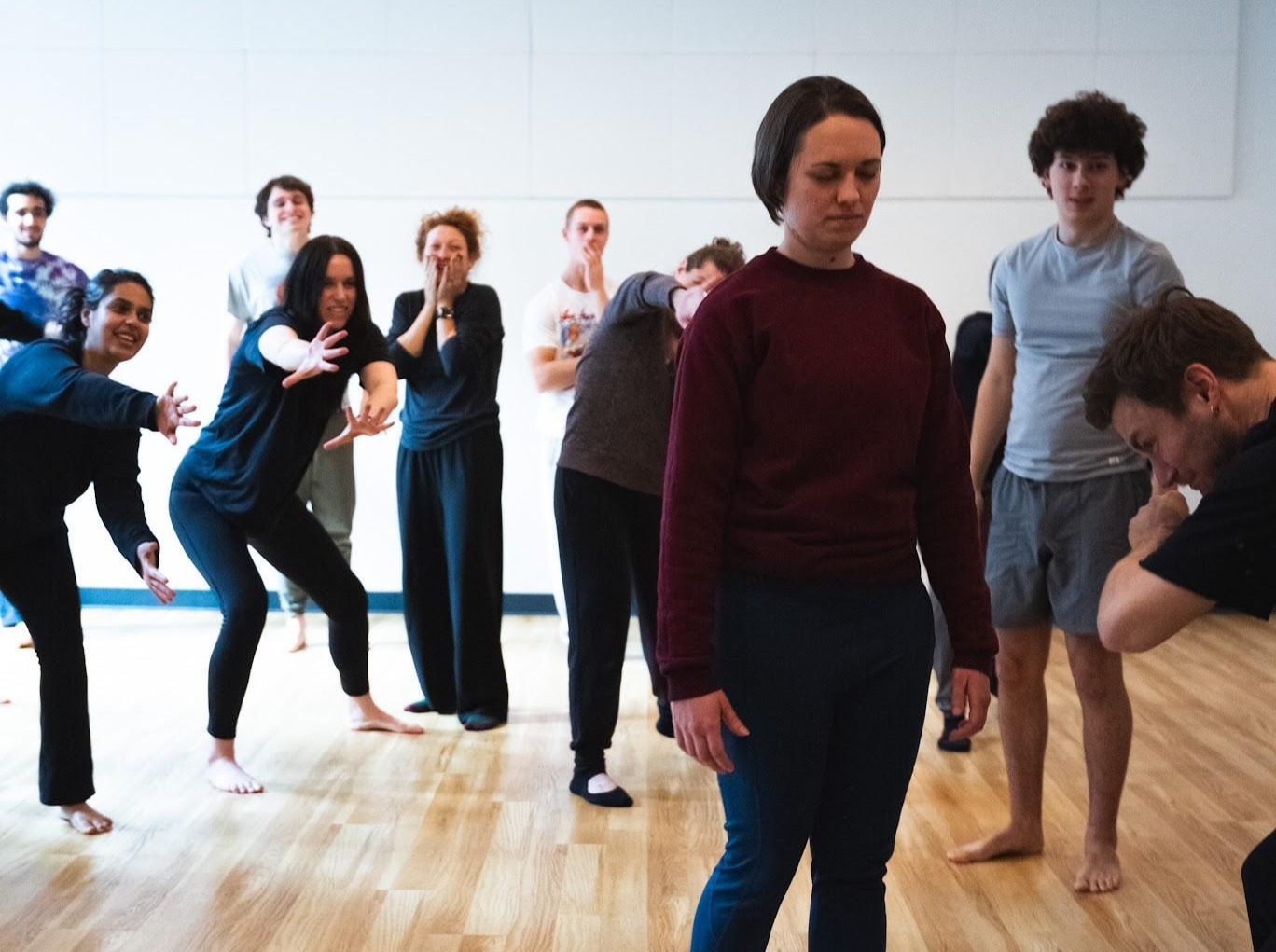
How Can Actors Balance Instinct and Technique in Performance?
Actors can balance instinct and technique by preparing thoroughly, directing their attention toward their partners, and allowing each performance to develop through genuine interaction.
A practical approach includes the following steps:
- Understand the circumstances. Identify what has happened before the scene, what the character wants, and what is at stake.
- Prepare without fixing emotional outcomes. Explore the character’s needs and relationships without deciding exactly how every feeling must appear.
- Listen to your scene partner. Notice their words, behavior, tone, and changes in energy.
- Respond to what actually happens. Allow unexpected moments to influence your behavior while remaining connected to the scene.
- Reflect after rehearsal. Consider when you were genuinely responsive and when you began controlling or anticipating the interaction.
Suppose an actor is rehearsing a farewell scene. During one run, their partner appears devastated. During another, the partner seems strangely relieved. The actor’s objective may remain the same, but their behavior can change because they’re responding to different circumstances within the interaction.
Structured acting intensive training can provide opportunities to explore this relationship between preparation, repetition, and responsiveness through sustained practice.
When Does Acting Technique Become Second Nature?
Technique begins to feel like second nature when actors have practiced their skills consistently enough to use them without consciously monitoring every step.
A musician doesn’t want to think about finger placement during every phrase. Similarly, an actor benefits from developing reliable habits of listening, concentration, and preparation that support rather than interrupt performance.
This doesn’t mean experienced actors stop working on their craft. Instead, their relationship with technique changes. They become better equipped to recognize when they’re forcing a result, losing connection, or becoming distracted by self-consciousness.
Terry Knickerbocker’s approach to actor training emphasizes sustained practice and the development of a dependable craft. The purpose of that work is not to create identical performances but to help actors bring their full attention and responsiveness to the circumstances they’re playing.
The strongest technique ultimately becomes something an actor can rely on without constantly thinking about it.
Develop Your Instincts Through Professional Acting Training
A compelling performance doesn’t require choosing between instinct and technique. It requires developing the skills to prepare deeply, listen attentively, and respond with freedom when the scene begins.
Explore Meisner-based acting training at Terry Knickerbocker Studio to discover how consistent practice can strengthen listening, emotional availability, spontaneity, and a reliable approach to the craft.
Explore our training programs or schedule a conversation with admissions to find the training path that’s right for you.
Key Takeaways
- Acting instinct refers to immediate, spontaneous responses, while technique provides the skills and preparation that support those responses.
- Strong acting training helps performers become more responsive rather than more rigid.
- Excessive control and predetermined emotional choices can make performances feel mechanical.
- Listening allows actors to respond to their scene partners instead of simply delivering rehearsed lines.
- The Meisner technique uses repetition and moment-to-moment exercises to develop attention, emotional responsiveness, and trust.
- Preparation helps actors understand a scene, while spontaneity allows them to discover how it unfolds.
- Voice and movement training can reduce physical restrictions that interfere with expressive freedom.
- With consistent practice, technique can become a dependable foundation for natural, responsive performance.
Frequently Asked Questions
What is the difference between instinct and technique in acting?
Instinct is an actor’s immediate response to a situation, while technique involves the skills used to prepare, listen, concentrate, and work truthfully within imaginary circumstances. Instinct provides spontaneity, and technique helps actors access it more reliably.
Is instinct more important than technique in acting?
Neither is inherently more important. Instinct without preparation may be difficult to sustain or repeat under performance conditions, while technique without responsiveness can become mechanical. Effective acting draws on both.
What is spontaneity in acting?
Spontaneity is the ability to respond naturally to what happens during a scene rather than relying entirely on predetermined reactions. It involves being attentive, emotionally available, and open to unexpected developments while remaining connected to the character’s circumstances.
How does acting training develop spontaneity?
Acting training develops spontaneity through exercises that strengthen listening, concentration, emotional responsiveness, and trust. Consistent practice helps actors become more comfortable reacting in the moment instead of planning every response.
Can acting technique make a performance less natural?
Yes, when an actor becomes overly focused on executing technical choices or reproducing specific emotions. However, well-integrated technique generally supports natural performance by giving actors the preparation and confidence to remain responsive.