Go to content

Fall Intensive – Enrolling through 10/22 – Learn More

ACCEPTING APPLICATIONS – Online Acting Intensive – Learn More

Adult actors train together in a supportive conservatory-style acting program in Brooklyn

Script Analysis for Actors

Have you ever looked over a script and had no idea how to get “in”? Or, if you did have an idea, had no idea whether it was backed up by the text? You are not alone.

Learn a practical, repeatable way to analyze dramatic text and turn evidence on the page into specific performance choices. This interactive script analysis class for actors helps you approach character, objectives, relationships, and story structure with greater precision, independence, and confidence.

What Is Script Analysis for Actors?

Script analysis for actors is a structured process for using evidence in a play or scene, including character, objectives, relationships, and story structure, to make specific, playable performance choices.

Rather than guessing at what a character might think, feel, or want, actors learn to investigate what the playwright has actually put on the page. The goal is not simply to understand a text intellectually, but to use that understanding to bring the material to life with specificity, accuracy, and freedom.

At TKS, Script Analysis gives actors a practical methodology they can return to whenever they encounter a new play, scene, or role.

Course at a Glance

  • Course: Script Analysis for Actors
  • Location: Terry Knickerbocker Studio, Brooklyn, NYC
  • Instructors: Pandora Scooter and Maya Patridge
  • Focus: Character, objectives, relationships, story structure, and text-based choices
  • Best For: Actors seeking a reliable, independent process for approaching dramatic text
  • Prerequisites: None
  • Conservatory Requirement: Required for second-year Fundamentals, Essentials, and Complete Conservatory students
  • Schedule: View the current Script Analysis class schedule

Course Overview

Script Analysis provides you with a solid, practical, and applicable step-by-step methodology to help figure out what is on the page.

You will learn how to bring the text to life with precision, accuracy, and intelligence. After taking this course, you will never again feel lost when approaching a text.

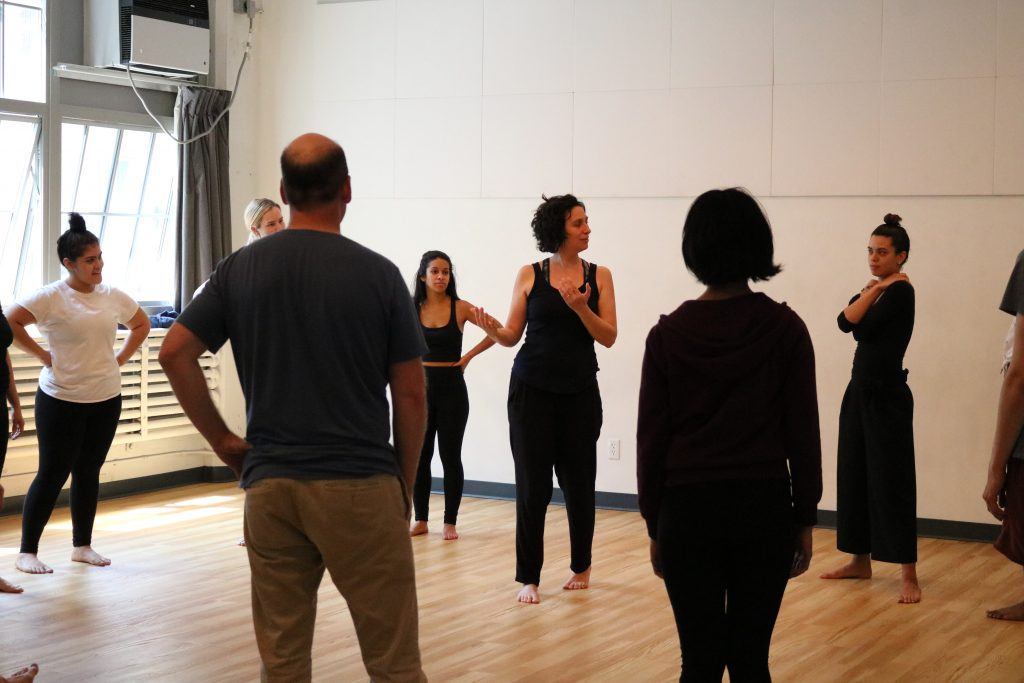
This is a highly interactive class that relies on participation. You will learn a methodology for script analysis that will make you director- and playwright-proof and help you work independently as an actor.

By developing a reliable process for analyzing a script, actors can approach unfamiliar material with greater clarity and make choices that are supported by the text rather than assumptions.

What You’ll Learn

Script Analysis is designed to give actors a process they can apply independently whenever they encounter new dramatic material.

Through close examination of plays and active class participation, you will learn how to:

  • Approach a new script without feeling lost
  • Find and evaluate evidence on the page
  • Develop specific character choices supported by the text
  • Examine character objectives and relationships
  • Understand how story structure informs performance
  • Recognize meaningful changes within a scene or play
  • Distinguish textual evidence from assumptions about the character
  • Bring dramatic text to life with greater precision, accuracy, and intelligence
  • Prepare more independently before rehearsal
  • Communicate and collaborate more confidently around the text

The aim is not analysis for analysis’s sake. The work gives actors a stronger foundation from which to make clear, specific performance choices.

How Actors Analyze a Script at TKS

The TKS approach gives actors a structured way into a text instead of relying solely on instinct or preconceived ideas.

The process centers on learning to:

1. Start With What Is on the Page

Investigate the text carefully and establish what the playwright actually gives you before drawing conclusions about the character or scene.

2. Investigate Character and Relationships

Look closely at what the text reveals about the character and their relationships to the other people in the story.

3. Examine Objectives and Story Structure

Explore what the character is pursuing and how the structure of the scene or play informs the actor’s understanding of the material.

4. Support Choices With Textual Evidence

Learn to distinguish between choices that grow organically from the script and assumptions that cannot be supported by the writing.

5. Bring the Analysis Into Performance

Translate what you discover on the page into specific, playable choices rather than leaving the work as an intellectual exercise.

6. Test the Work Through Participation

Because Script Analysis is highly interactive, students investigate and refine their understanding through active participation in class.

The result is a repeatable process for analyzing a script that helps actors approach new material with greater independence and confidence.

Plays and Texts Studied

Plays we analyze in Script Analysis include:

  • Cat on a Hot Tin Roof
  • Hamlet
  • Art
  • A Doll House
  • ‘night, Mother
  • Desire Under the Elms
  • Oleanna
  • And more

Working across different playwrights, styles, and dramatic structures gives actors opportunities to apply the methodology to a wide range of texts rather than learning a process that works for only one kind of material.

Who Is This Class For?

Script Analysis is for actors who want a more dependable way to approach the text and make choices rooted in what the playwright has actually written.

The class can be particularly valuable for:

  • Actors who feel overwhelmed when approaching a new script
  • Actors who have strong instincts but want to know whether their choices are supported by the text
  • Performers who want to strengthen their independent preparation
  • Actors who want a practical process for understanding character, objectives, relationships, and story structure
  • Students looking to strengthen the analytical foundation they bring into rehearsal and scene work
  • TKS Conservatory actors integrating text analysis into their broader training

Prerequisites: None.

Conservatory requirement: Second-year Conservatory students in the Fundamentals, Essentials, and Complete tracks are required to take Script Analysis as part of their Meisner-based actor training.

Students interested in a broader professional training pathway can learn more about the 2-Year Conservatory Program.

TRANSFORM

Meet Your Instructors

Pandora Scooter

Pandora Scooter is an award-winning playwright and spoken word artist. Her solo shows I Am Enough and OutWordlyFabulous toured the nation to 45+ cities in 30 states in 2011 and 2015. In 2017, her feminist punk rock musical won Best Musical at the Fresh Fruit Festival, NYC’s only queer theatre festival.

Her experience as a playwright and performer brings a writer-performer perspective to working with dramatic text and understanding the choices embedded on the page.

Maya Patridge is an actor and educator based in Brooklyn. Along with her work at TKS, Maya teaches acting and improv classes at New York Film Academy and Treasure Trunk Theatre.

Her work as both an actor and educator supports students in translating careful analysis into practical preparation for performance.

FAQ

What is script analysis for actors?

Script analysis is the process of closely examining a play or scene to understand the information the playwright provides about character, relationships, objectives, and story structure. Actors use that textual evidence to make specific performance choices rather than relying solely on assumptions about the material.

Why is script analysis important for an acting performance?

Script analysis gives actors a stronger foundation for their creative choices. Understanding what is actually supported by the text can help an actor work with greater precision and independence while bringing the playwright’s material fully to life.

What should an actor look for when analyzing a script?

Actors should pay close attention to the facts and information contained in the text, including what the script reveals about character, relationships, objectives, and the structure of the story. In this class, students develop a practical methodology for examining those elements and translating their discoveries into performance choices.

How do actors identify objectives and character relationships in a script?

Actors investigate what the text reveals about what a character wants and how that character relates to the other people in the story. Rather than imposing an unsupported interpretation, the Script Analysis process encourages actors to build their understanding from evidence contained in the writing.

What is the difference between script analysis and scene study?

Script analysis focuses on investigating the text and developing a clear understanding of the information and dramatic structure the playwright provides. Scene study puts an actor’s broader training into practice through rehearsing and performing scenes with a partner. The two disciplines complement one another, and actors interested in applying their training to sustained scene work can also explore TKS’s Advanced Scene Study class.

Do I need previous acting training to take this class?

The current course has no prerequisite. Script Analysis is also a required course for second-year students in the Fundamentals, Essentials, and Complete tracks of the TKS Conservatory.

Which plays and texts are studied in the course?

Texts studied may include Cat on a Hot Tin Roof, Hamlet, Art, A Doll House, ‘night, Mother, Desire Under the Elms, Oleanna, and additional plays selected for the course.

How do I view the schedule and apply for Script Analysis at TKS?

Visit the current Script Analysis class schedule to see available course information and use the TKS application to apply. If you have questions about the course or whether it fits your training goals, you can also speak with TKS Admissions.

Schedule, Tuition, and Application

Ready to develop a more reliable process for approaching scripts?

View the current Script Analysis class schedule for upcoming dates and class information.

You can also:

A gray-haired man in a white shirt sits on a table, gesturing animatedly like William Esper, as he talks to an engaged group of people around him. The group, consisting of both men and women, takes notes in the brightly lit room.

Schedule a Discovery Call

Have questions? Book a one-on-one chat with our Director of Admissions and Enrollment. We’re here to help you determine if Terry Knickerbocker Studio is the right fit for you.